
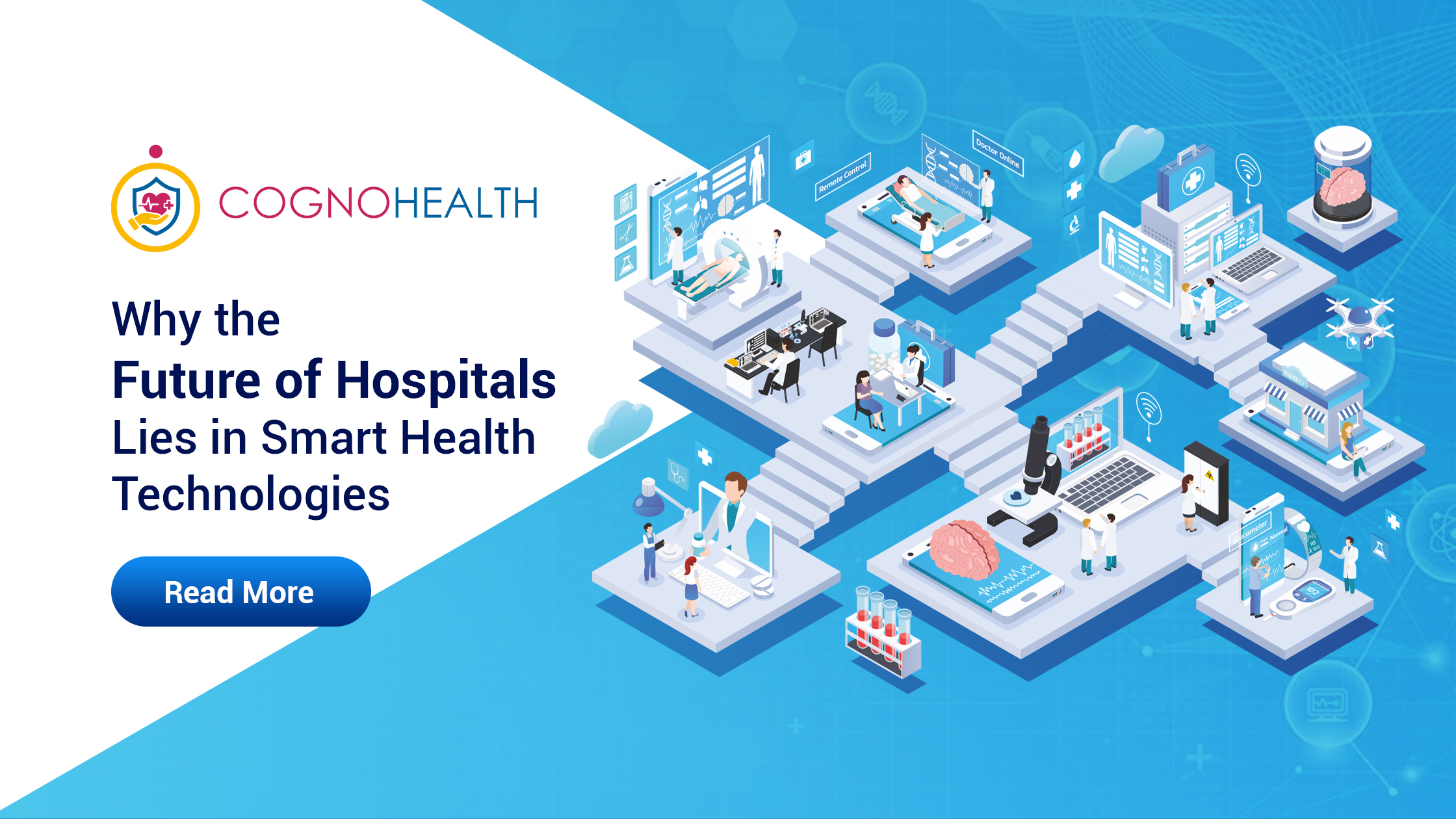
Why the Future of Hospitals Lies in Smart Health Technologies
Introduction: A New Era of Hospital Innovation.
From overburdened ICUs to growing readmission rates, modern hospitals face challenges that traditional systems can no longer solve alone. In this new era of healthcare, the answer lies in embracing smart health technologies that combine real-time data, automation, and remote access to deliver faster, safer, and more efficient care.
Smart hospitals are not a trend they’re a necessity. As the global demand for quality healthcare rises, hospitals must evolve from reactive treatment models to proactive, tech-enabled ecosystems that optimize every aspect of patient care.
What Are Smart Health Technologies?
Smart health technologies refer to digitally enabled tools and systems that automate, augment, or optimize clinical and operational workflows. This includes:
- Remote Patient Monitoring (RPM)
- AI-powered diagnostics
- Telemedicine platforms
- Smart ICUs and EHR integration
- Wearables and mobile health apps
- Healthcare IoT and cloud storage
These tools work together to help hospitals deliver care beyond the hospital walls, improve operational efficiency, and empower both patients and providers.
Why Hospitals Must Adopt Smart Technologies Now
-
Tackle Staff Burnout & Shortages
Smart systems reduce the burden on overworked healthcare professionals by automating repetitive tasks, tracking vitals remotely, and enabling early interventions—allowing caregivers to focus on critical cases.
-
Reduce Readmissions with Real-Time Monitoring
Remote Patient Monitoring (RPM) devices continuously track vitals post-discharge—like blood glucose, BP, oxygen levels—helping prevent complications and avoid unnecessary hospital visits.
-
Improve ICU Outcomes with Smart ICU Dashboards
A Smart ICU setup centralizes patient data, alerts staff to warning signs early, and supports AI-driven clinical decision-making—helping save lives in real time.
-
Extend Care Access Through Telemedicine
Virtual consultations remove geographic and mobility barriers, reduce waiting time, and help hospitals serve rural or remote patients more efficiently.
-
Meet Rising Patient Expectations
Today’s patients expect care that’s digital, responsive, and personalized. Smart hospitals meet those expectations through apps, instant reports, and real-time communication.
Technology That Learns, Systems That Adapt
As regulations tighten and healthcare gets costlier, hospitals need systems that are not only digital but also compliant, scalable, and data smart. With smart health technologies, hospitals can:
- Anticipate health risks before they escalate
- Reduce operational bottlenecks
- Automate documentation and audits
- Personalize treatments using data trends
Key Smart Technologies Driving Hospital Transformation
| Technology | Purpose |
| Remote Patient Monitoring (RPM) | Monitor patients post-discharge or in home-care settings |
| Smart ICU Systems | AI-based alerting and ICU data centralization |
| Telemedicine Platforms | Enable remote consultations and follow-ups |
| eHealth Records (EHR) | Store, share, and analyze patient histories securely |
| IoT-Enabled Devices | Real-time health tracking through connected sensors |
| Hospital Automation Tools | From smart beds to robotic surgery assistants |
What Happens If Hospitals Don’t Evolve?
Hospitals that fail to adopt smart health technologies risk:
- Higher patient dissatisfaction
- Regulatory non-compliance
- Increased operating costs
- Low staff retention
- Slower emergency response rates
As healthcare continues to digitize globally, staying analog will only widen the gap between care quality and patient expectations.
How Cognota Healthcare Is Powering Smart Hospitals
Cognota Healthcare is redefining hospital infrastructure with a suite of smart health solutions:
- Remote Patient Monitoring (RPM): Real-time vitals tracking for blood glucose, blood pressure, and oxygen saturation
- Smart ICU Platforms: Performance enhanced dashboards for 24/7 critical care visibility
- Connected Medical Devices: Including oximeters, thermometers, weighing scales all IoT-ready
- Teleconsultation Tools: Secure, compliant platforms for video-based care delivery
Our mission is to build data-driven, patient-first hospitals that operate at the intersection of compassion and cutting-edge technology.
Conclusion: The Future Isn’t Coming It’s Already Here
Smart health technologies aren’t optional upgrades—they’re survival tools for modern hospitals. By integrating real-time data, remote access, and AI-backed insights, smart hospitals will not only reduce errors and inefficiencies but also transform the way healthcare is delivered.
If your hospital isn’t evolving with tech, it’s falling behind.
FAQs
-
What is a smart hospital?
A smart hospital uses digital and automated technologies like RPM, EHR, and AI to improve clinical efficiency, patient outcomes, and care delivery.
-
How does Remote Patient Monitoring (RPM) help hospitals?
RPM allows hospitals to track patient vitals post-discharge, reducing readmissions and enabling early interventions for chronic conditions.
-
What is a Smart ICU system?
It centralizes ICU data, sends predictive alerts, and helps medical teams act on real-time insights, improving survival rates.
-
Are smart health technologies expensive to implement?
While initial costs exist, smart systems reduce long-term operational costs, readmissions, and inefficiencies—resulting in better ROI.
-
Why are Indian hospitals shifting to smart health solutions?
Rising patient loads, staff shortages, and regulatory demands are pushing Indian hospitals toward digital transformation to ensure scalable and efficient care.

